

Thyroid Disorders: Symptoms, Causes & Effective Treatment Options Explained
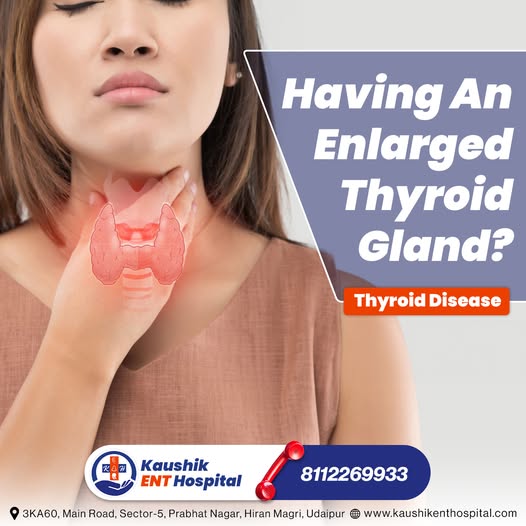
The thyroid is a small, butterfly-shaped gland located in the neck, but it plays a big role in controlling your body’s metabolism, energy levels, and overall health. When the thyroid doesn’t function properly, it can lead to a range of health issues known as thyroid disorders. Understanding the symptoms, causes, and treatment options can help you take control of your health early.
What Are Thyroid Disorders?
Thyroid disorders occur when the thyroid gland produces either too much or too little hormone.
- Hypothyroidism – Underactive thyroid (low hormone production)
- Hyperthyroidism – Overactive thyroid (excess hormone production)
- Goiter – Enlargement of the thyroid gland
- Thyroid Nodules – Lumps in the thyroid
Common Symptoms
Hypothyroidism Symptoms
- Fatigue and weakness
- Weight gain
- Dry skin and hair
- Depression or low mood
- Slow heart rate
Hyperthyroidism Symptoms
- Weight loss
- Rapid heartbeat
- Anxiety and irritability
- Sweating
- Tremors
If you notice these symptoms for a long time, it’s important to consult a doctor.
Causes of Thyroid Disorders
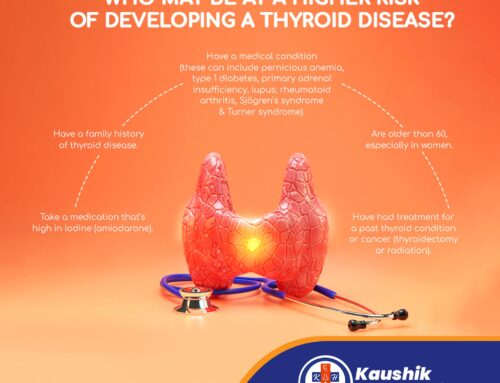
- Autoimmune diseases (like Hashimoto’s thyroiditis or Graves’ disease)
- Iodine deficiency or excess
- Genetic factors
- Stress and lifestyle factors
- Certain medications
Diagnosis
Doctors usually recommend:
- Blood tests (TSH, T3, T4 levels)
- Ultrasound of thyroid gland
- Thyroid scan (in some cases)
Early diagnosis helps in better and faster treatment.
Treatment Options
1. Medication
- Hormone replacement for hypothyroidism
- Anti-thyroid drugs for hyperthyroidism
2. Lifestyle Changes
- Balanced diet with proper iodine intake
- Regular exercise
- Stress management
3. Advanced Treatments
- Radioactive iodine therapy
- Surgery (in severe cases)
Tips to Maintain Thyroid Health
- Eat iodine-rich foods (like iodized salt, dairy, seafood)
- Avoid excessive processed foods
- Get regular health check-ups
- Manage stress through yoga or meditation





Leave A Comment